
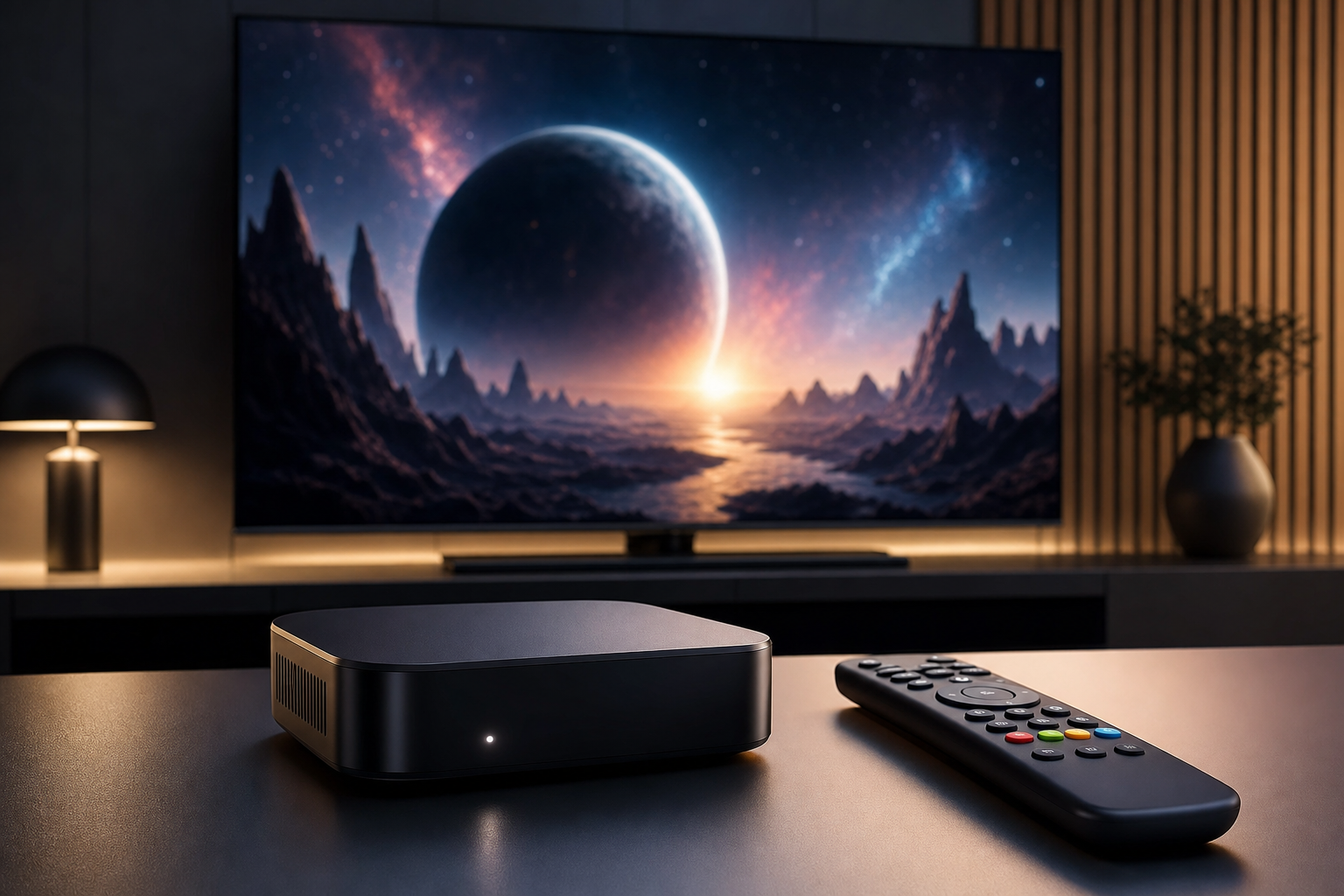
IPTV Guide: How to Choose the Right Service, Devices, and Setup
IPTV has become a practical alternative to traditional cable and satellite for households that want more control over how they watch live TV, sports, movies, and on-demand content. Instead of depending on a set-top cable network, iptv delivers television over the internet, which gives viewers more flexibility in how and where they watch.
If you are comparing providers in Canada or the USA, the best choice is rarely the one with the biggest claims or the lowest price. A better decision comes from looking at the full experience: device compatibility, stream stability, multi-device access, setup simplicity, and support quality. This guide explains how to evaluate an iptv canada service in a practical way so you can choose a plan that actually fits your household.
What IPTV Is and Why It Appeals to Modern Viewers
IPTV stands for Internet Protocol Television. In simple terms, it sends TV content through your internet connection rather than through a coaxial cable or satellite dish. That makes it possible to watch on smart TVs, streaming boxes, phones, tablets, laptops, and certain dedicated players.
The biggest reason people switch is flexibility. One household may want live channels in the living room, another may prefer sports on a tablet, while a third person watches on a laptop during travel. An IPTV setup can support that kind of viewing pattern more easily than a traditional TV package.
For many viewers, an iptv canada premium plan is appealing because it can combine content variety, easier access across devices, and a more adaptable setup. The right service should make everyday watching simpler, not more complicated.
Why people choose IPTV
- Flexibility: Watch at home or on compatible mobile devices when the service allows it.
- Device choice: Use the screens and hardware you already own instead of buying a full cable package.
- Content variety: Many services offer a mix of live channels, sports, movies, and on-demand libraries.
- Budget control: Some households use IPTV to avoid paying for large bundles they do not fully use.
You may also see branded terms such as roveiptv, rive iptv, or iptv north in search results. The name matters less than whether the service is transparent, compatible with your devices, and reliable enough for daily use.
What to Compare Before You Subscribe
Many viewers focus on price first, but price alone does not tell you whether a service will work well in your home. A better approach is to compare the parts of the experience that affect everyday viewing. The goal is to find an iptv service that feels easy to use and stable over time.
1. Device support and compatibility
Start by checking whether the service works on the devices you already use. Common options include Android TV, Fire TV, smart TVs, smartphones, tablets, computers, and dedicated hardware players. If you plan to use a mag iptv setup or a MAG box IPTV device, confirm that portal or playlist support is available before subscribing.
If more than one person in your household wants to watch at the same time, look carefully at iptv multiple devices rules. Some plans include only one active screen, while others allow several simultaneous connections. Always verify the actual limit rather than assuming every subscription includes multi-room access.
2. Content selection
Think about what your household watches most often. Some people care mainly about sports, while others want a balanced mix of live channels, movies, local programming, and on-demand content. A good provider should be clear about the types of content included and whether the library is updated regularly.
3. Stream quality and stability
Stream quality is about more than resolution. A service can advertise HD or even higher-quality playback, but the real test is whether channels load quickly, switch cleanly, and stay stable during busy viewing periods. If your internet connection is inconsistent, reliability matters more than maximum resolution.
4. Channel organization and search
A well-organized guide saves time every day. Clear categories, working search tools, and easy access to favorites help everyone in the home find content faster. This becomes even more important when several people use the same account across different screens.
5. EPG, catch-up, and playback tools
Features such as an electronic program guide, catch-up, pause, and favorites can make IPTV feel much easier to manage. These tools are often overlooked when comparing services, but they have a major impact on the viewing experience once you start using the service regularly.
6. Support and onboarding
Even a strong service should come with clear setup instructions and responsive support. If you are new to IPTV, good onboarding can save time and reduce frustration. Look for providers that explain installation, activation, and device-specific setup in plain language.
7. Plan terms and access rules
Read the subscription details carefully. Check the plan length, renewal rules, delivery method, device restrictions, and whether extra features are included. If you are considering an iptv canada premium package, make sure the higher price reflects something you actually need, such as extra screens, additional content, or stronger support.
How to Compare IPTV Providers the Smart Way
When you compare providers, the most useful question is not “Which one is cheapest?” It is “Which one offers the best value for my devices, viewing habits, and household setup?” That mindset helps you avoid short-term decisions that become frustrating later.
A practical evaluation checklist
- Does it work on the devices you already own?
- How many screens can be active at the same time?
- Does the content lineup match what you actually watch?
- Are setup instructions clear and easy to follow?
- Is support available if login, activation, or playback problems happen?
- Does the plan fit your internet speed and household usage?
Mistakes to avoid
- Choosing only by price: A low-cost plan is not a good deal if streams buffer or support is limited.
- Ignoring device limits: If your home uses multiple TVs, tablets, or phones, check connection rules first.
- Skipping compatibility checks: Services can behave differently across apps, smart TVs, and hardware boxes.
- Overlooking internet quality: IPTV depends on a stable connection, especially at peak viewing times.
- Assuming every feature is included: VOD, catch-up, sports coverage, and guide features may vary by plan.
If you are comparing branded services such as roveiptv or similar options, use the same checklist. A clear product page, straightforward device support, and responsive help are usually more valuable than broad marketing claims.
Which Devices Work Best for IPTV?
One of the biggest strengths of IPTV is device flexibility. Still, not every device offers the same experience. Some setups are easier for beginners, while others are better for advanced users who want more control.
Smart TVs
Smart TVs are convenient because they keep everything in one place. If the service has a compatible app, setup can be straightforward. The limitation is that some TV operating systems are less flexible than streaming boxes, so app performance can vary.
Streaming boxes and sticks
Android TV and Fire TV devices are popular because they are affordable, widely supported, and easy to update. For many households, these are the easiest way to start using IPTV without changing the rest of the home entertainment setup.
Phones, tablets, and computers
Mobile devices and laptops are useful for secondary viewing, travel, or quick access. They are especially helpful if you want to test a service before using it on your main TV.
MAG boxes and hardware players
Some users prefer a mag iptv or MAG box IPTV device because they want a simple, dedicated viewing experience. These devices often rely on exact portal details, so setup must be entered carefully. A small typing error can stop the service from loading even when the subscription is active.
How to Set Up IPTV Step by Step
Most IPTV setups are manageable if you take them one step at a time. The easiest method is to get one device working first, then connect additional screens after you confirm that playback is stable.
Basic setup process
- Check your device: Confirm whether you are using a smart TV, streaming box, phone, tablet, computer, or hardware player.
- Confirm your internet connection: Make sure your network is stable and your Wi-Fi signal is strong where you plan to watch.
- Install the required app or player: Some services use an app, while others use a portal, playlist, or login method.
- Enter the service details: Follow the provider’s instructions carefully to avoid activation or login errors.
- Test live TV and on-demand content: Try a few channels and titles to confirm playback quality.
- Add more devices: If your plan supports iptv multiple devices, connect the second screen only after the first one works properly.
Tips for smoother day-to-day use
- Use Ethernet for your main TV if possible.
- Keep the app or player updated.
- Restart the device occasionally if the guide or streams slow down.
- Set up favorites so frequently watched channels are easy to find.
- Reduce Wi-Fi interference by placing your router properly and limiting obstacles where possible.
For many households in Canada and the USA, a sensible starting point is one main viewing device and one backup device. That gives you time to test the service before making it part of your normal routine.
Troubleshooting Common IPTV Problems
Most IPTV problems fall into a few predictable categories. In many cases, the cause is the network, the app, or the account details rather than the service itself.
Buffering or freezing
- Check your internet speed and connection stability.
- Restart the app, device, and router.
- Use a wired connection for the main screen if possible.
- Reduce background activity on your network.
Login or activation problems
- Confirm the username, password, portal, or playlist details.
- Check for typing errors or expired access.
- Make sure the plan is assigned to the correct device if restrictions apply.
Missing channels or VOD titles
- Refresh the playlist or guide.
- Check whether the content is included in your plan.
- Ask support whether the issue is temporary or tied to regional availability.
Guide data not loading
- Wait a few minutes and refresh again.
- Clear the app cache if your device allows it.
- Re-enter the portal or playlist details if needed.
If you are using a mag iptv device, correct portal setup is especially important. Double-check every character and follow the provider’s instructions exactly. Small errors can prevent access even when the subscription is active.
What to Expect from IPTV in Canada and the USA
For North American viewers, IPTV can work well because it supports many household needs. Some people want local channels, others want international content, and many simply want a more flexible option than cable. The best service is the one that fits those needs consistently.
When comparing iptv canada options or services marketed as iptv north, focus on the fundamentals: device support, stream stability, content fit, and support quality. Those are the factors most likely to shape your long-term satisfaction.
Frequently Asked Questions About IPTV
What should I know about IPTV?
IPTV delivers television over the internet. The main things to compare are device compatibility, stream quality, available content, setup difficulty, and how many screens you can use. The best choice is the one that fits your household and works reliably on your existing devices.
How do I get started with IPTV?
Choose a plan that matches your devices and viewing habits. Then install the required app or configure your player, enter the service details, and test a few channels before adding more devices.
What features matter most when choosing IPTV?
The most important factors are stability, device support, content selection, clear setup instructions, and responsive support. If you are looking at iptv canada premium options, compare the full package rather than focusing on price alone.
What mistakes should I avoid?
Avoid choosing only by price, skipping compatibility checks, ignoring device limits, and assuming every plan includes the same features. Those mistakes often lead to frustration later, especially if several people in the home want to watch at the same time.
Is IPTV multiple devices support important?
For many homes, yes. If you want one setup in the living room and another in a bedroom, office, or media room, confirm multi-device rules before subscribing. That is especially important for families sharing one account.
Conclusion: Choose IPTV Based on Real Use, Not Hype
IPTV can be a flexible and practical way to stream live TV and on-demand content across multiple devices. The best results come from matching the service to your actual needs: device support, content preferences, streaming stability, and ease of setup.
Before you subscribe, compare plans carefully, confirm compatibility, and decide how many screens you really need. Whether you are reviewing rive iptv, roveiptv, iptv north, or other iptv canada services, use the same checklist and focus on usability, support, and fit rather than headline claims.
Next step: review your devices, check your internet connection, and choose an IPTV plan that offers the right mix of value, support, and multi-device access for your household.

No Responses