
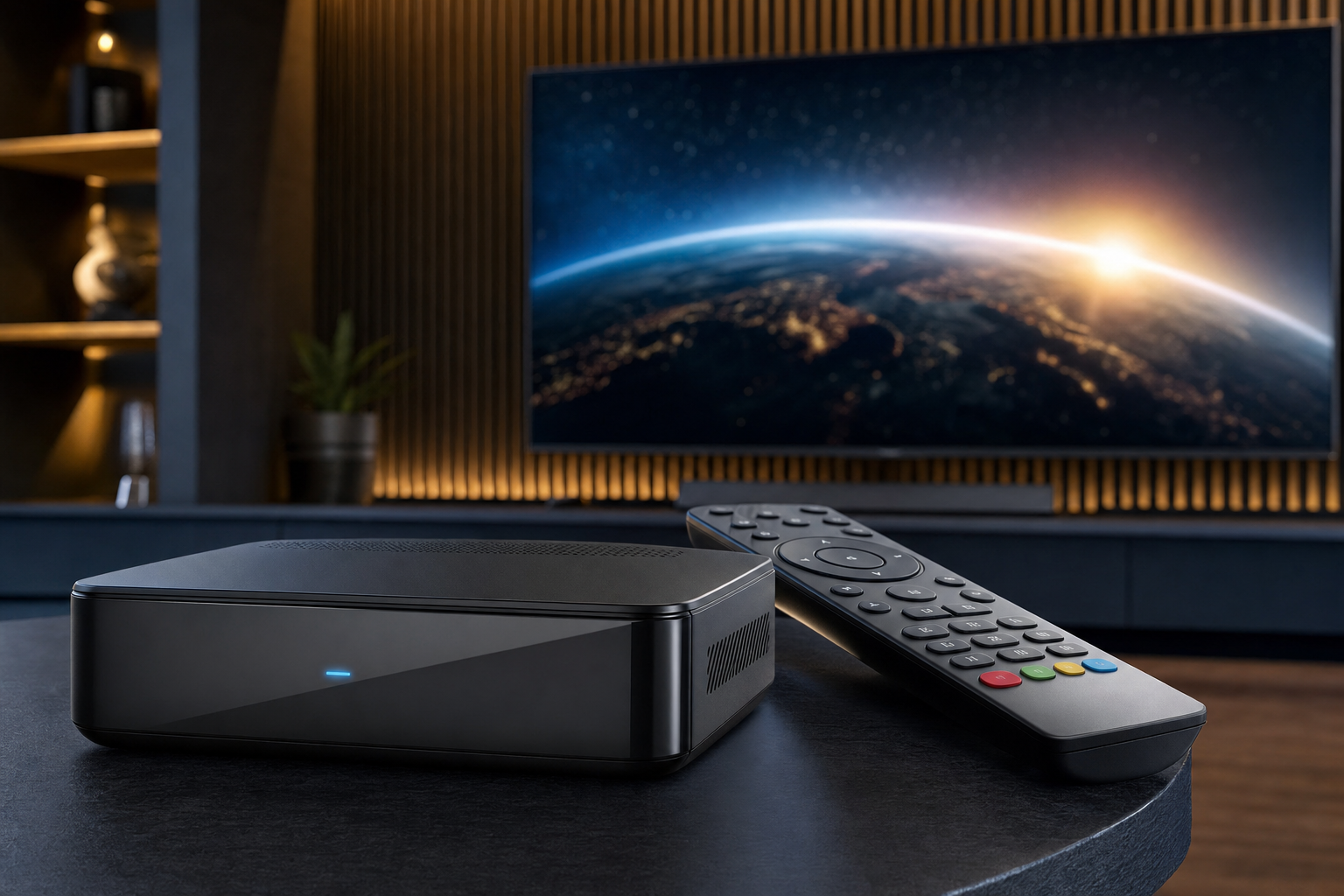
IPTV 4 devices is a practical option for households and shared users who want flexible access across multiple screens without paying for separate plans everywhere. If you stream on a TV in the living room, a tablet in the kitchen, a phone on the go, and a second TV or box in another room, a four-device plan can keep things simple.
This guide explains what IPTV 4 devices usually includes, what to check before choosing a service, how to avoid common setup mistakes, and how to get the best experience across different devices. It also covers important related topics such as iptv multiple devices canada, iptv subscription for 2 devices canada, iptv portals, what is a mag box, and compatibility questions people often ask when comparing services.
If you are looking for a straightforward way to stream live TV, sports, and VOD on up to four devices, this article will help you make a smarter decision.
What is IPTV 4 devices and why it matters?
IPTV means television delivered through an internet connection rather than a traditional cable or satellite line. A 4-device IPTV plan simply means the subscription allows access on up to four devices, either at the same time or with account-based limits depending on the provider.
This matters because modern households rarely watch content on just one screen. A four-device setup can support:
- A main smart TV in the living room
- A second TV or streaming box in another room
- A phone or tablet for portable viewing
- A laptop or media device for travel or flexible use
For many users, this is a better fit than a single-device plan or a basic iptv subscription for 2 devices canada. It gives more room for family use, shared accounts, and everyday flexibility.
It is also a useful option for people comparing local and remote providers. Whether you are searching for ip tv near me, checking ottawa iptv options, or reviewing an upstream iptv service, the device limit should be one of the first things you confirm.
Key features and important considerations
1) Device limit and simultaneous access
Not all “4 device” plans work the same way. Some services allow four device registrations but only one active stream at a time. Others allow multiple simultaneous streams. Before you buy, ask clearly:
- Can all four devices be used at once?
- Is there a limit on home streaming versus mobile streaming?
- Can devices be changed later if you upgrade or replace hardware?
This is one of the most important details to understand before signing up.
2) Compatibility with your devices
Good IPTV services should work on common platforms such as:
- Smart TVs
- Android TV boxes
- Fire TV devices
- Phones and tablets
- Computers and browsers
- Set-top boxes that use IPTV portals
If you are wondering what is a mag box, it is a type of set-top device used by some IPTV systems, often connected through a portal rather than a standard app login. Many users like it for a simple TV-style experience. If you see terms like magbox iptv or iptv portals, it usually means the provider supports portal-based access in addition to app-based access.
3) Channel quality and content mix
Different providers focus on different catalogs. A good four-device plan should match what you actually watch:
- Live TV channels
- Sports packages
- Movies and series
- Regional or international channels
- Catch-up or replay features, if available
Do not choose based on device count alone. A cheaper plan that lacks the content you want is not a real value.
4) Stream stability and quality tiers
Look for clear information about stream quality options such as SD, HD, or 4K where supported. More important than the label is actual stability on your internet connection and your device type.
A practical provider should offer:
- Fast channel loading
- Reasonable uptime
- Minimal buffering during normal use
- Clear setup instructions
- Support for multiple device types
Quality often depends on how well the service is maintained and how well your network is configured.
5) Account management and flexibility
When you have four devices, account management becomes more important. Check whether the provider allows easy device replacement, password resets, or portal changes. This matters if you change phones, upgrade a TV box, or move to a new household setup.
If a service is strict about device locking with no flexibility, it can become frustrating over time.
How to evaluate options and avoid common mistakes
Choosing an IPTV service should be about fit, not just price. Use a simple checklist before ordering.
What to compare
- Device count: Make sure “4 devices” means what you think it means.
- Simultaneous streams: Confirm whether all four can run at once.
- Content coverage: Verify sports, live TV, and VOD availability.
- Device support: Check phones, TVs, boxes, and portal compatibility.
- Support quality: Look for setup help and response speed.
- Payment options: Use a method that is convenient and clearly supported.
- Renewal terms: Understand whether the plan is monthly, quarterly, or annual.
Common mistakes to avoid
- Choosing only by price. The cheapest plan can be the worst fit if it buffers or lacks channels.
- Ignoring simultaneous-use limits. A 4-device label does not always mean four streams at once.
- Overlooking device compatibility. Some services work better on certain boxes or apps.
- Skipping a network check. Weak Wi-Fi can make even a strong IPTV service feel unreliable.
- Not asking about portals or login methods. If you need iptv portals or a mag box, confirm support first.
Canada-specific buying considerations
If you are comparing iptv multiple devices canada options, pay attention to regional support, payment convenience, and device flexibility. Many Canadian users want one subscription that works across the home, a mobile device, and an extra screen without needing separate plans.
For shoppers searching for iptv subscription for 2 devices canada or upgrading to four devices, it often makes sense to think in terms of long-term use. A slightly larger plan can be more practical than constantly switching logins or adding extra accounts later.
Practical setup, use or implementation guidance
Setting up IPTV 4 devices is usually straightforward if you prepare first. The best results come from planning the devices, network, and app or portal method before activation.
Step 1: List your four devices
Write down the devices you want to use most often. For example:
- Living room smart TV
- Bedroom Fire TV stick
- Tablet for travel
- Phone or laptop
This helps you confirm compatibility before purchase.
Step 2: Check your internet connection
Streaming on multiple devices needs stable home internet and a strong Wi-Fi signal. If possible:
- Place your router in a central location
- Use Ethernet for stationary devices when practical
- Reduce congestion on busy networks
- Restart the router if streams become unstable
Multi-device streaming works best when the network is set up for it from the beginning.
Step 3: Choose the access method
Some providers use apps. Others use portals. Some support both. If you are using a MAG-style box or asking about magbox iptv, you will likely be working with a portal URL and device credentials rather than a regular app login.
Ask for clear setup instructions and keep them in one place. This makes it much easier to move from one device to another later.
Step 4: Install and test each device one by one
Do not activate all four devices at once without testing. Set up one device, confirm video playback, then move to the next. This makes troubleshooting easier if one device needs a different app or configuration.
Step 5: Organize users and rooms
If several people use the plan, decide in advance which device belongs to which room or person. Simple device organization reduces login conflicts and avoids accidental stream interruptions.
Common issues and troubleshooting
Even a good IPTV plan can run into problems if the device, app, or network is not configured properly. Here are the most common issues and what to do.
Buffering or freezing
- Restart the app
- Test your internet speed and Wi-Fi stability
- Try Ethernet on the main TV device
- Close other heavy downloads on your network
- Switch to a lower quality stream if available
Login or portal errors
- Check the username, password, or portal address carefully
- Make sure the subscription is active
- Confirm the device was added correctly
- Retry after a full app or device restart
One device works, another does not
This often points to device compatibility rather than a service-wide issue. Check whether the second device needs a different app version, updated software, or portal settings.
Too many devices active
If your provider limits simultaneous use, one active stream may disconnect another. In that case, review the plan terms and make sure the usage matches the account rules.
Channel or VOD missing
Channel changes can happen. If a specific channel or title is missing, refresh the playlist, reload the app, or contact support for the latest lineup.
Frequently asked questions
What should I know about IPTV 4 devices?
You should confirm whether the plan allows four registered devices or four simultaneous streams. Also check compatibility, content coverage, and setup method before you buy.
How do I get started with IPTV 4 devices?
Start by listing the devices you want to use, confirming they are supported, and choosing whether you need app-based access or portal-based access. Then install one device at a time and test playback.
What features or criteria matter most for IPTV 4 devices?
The most important factors are simultaneous stream limits, device compatibility, channel quality, support responsiveness, and flexible account management. Price matters too, but only after the service fits your usage pattern.
What common mistakes should I avoid?
Avoid buying based only on price, assuming “4 devices” means four streams at once, and skipping compatibility checks for your TV box, smart TV, or mobile devices.
Is IPTV 4 devices better than a smaller plan?
If more than one person watches in your home, or if you use several screens yourself, a four-device plan can be more convenient than a two-device plan. It is often the better value when flexibility matters.
Can I use IPTV 4 devices in different rooms?
Yes, as long as the provider allows it and your internet connection is stable enough. Many users set up one device per room for a simple home-wide experience.
Summary and next steps
IPTV 4 devices is a strong option for households, shared users, and anyone who wants more flexibility across several screens. It can reduce the need for multiple subscriptions, simplify streaming at home, and make it easier to watch live TV and VOD wherever you prefer.
The best choice is not just the one with the biggest device count. It is the one that matches your devices, supports the access method you want, and gives you the right mix of channels, stability, and support.
Before you order, confirm these points:
- Whether the plan allows four active streams or only four registered devices
- Whether your smart TV, box, phone, or portal device is supported
- Whether the content lineup fits your viewing habits
- Whether setup instructions are clear and easy to follow
- Whether the provider can help if you change devices later
If you are comparing options in Canada or the USA, use this guide as a checklist and choose the plan that gives you the best mix of value, convenience, and compatibility. That is the simplest way to get more from your IPTV subscription without unnecessary hassle.

No Responses